

Brainstem Evoked Response Audiometry (Bera)
What Is a BERA Test?
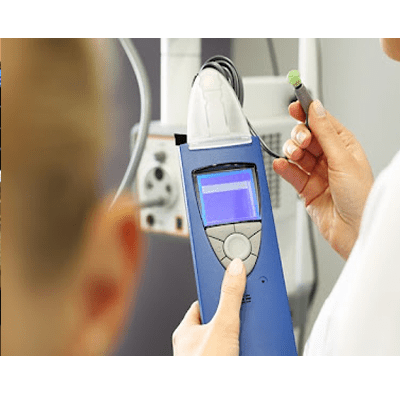
Brain Evoked Response Auditory (BERA) is a meeting assessment performed on kids matured 1 to 3 years. In the interim, for youngsters with a more modest age, Oto Acoustic Emission (OAE) assessment can be done. If the BERA test results are expressed in acceptable condition, it very well may be inferred that the kid’s hearing capacity is inside ordinary cutoff points and no further clinical treatment is fundamental. Notwithstanding, in the event that the BERA test results are pronounced unusual, the assessment will proceed with the assessment or expectation of the conference limit and hearing restoration should be done as right on time as conceivable by utilizing listening devices. BERA test itself will require around 60 minutes.
Meet Our Neurosurgeons in Purnia, Bihar
Book An Appointment
Frequently Asked Questions
Answers to Your Neurology Queries
An Auditory Brainstem Response (ABR) or BERA test evaluates how the auditory nerve and brainstem respond to sound. It helps assess hearing and auditory pathway function.
A normal BERA result generally shows appropriate responses to sound at expected times. The results are interpreted by a specialist based on the patient's age, hearing status, and testing conditions.
Yes. BERA and BAEP refer to closely related tests that measure electrical responses from the auditory nerve and brainstem after sound stimulation. The terminology may vary between hospitals and diagnostic centers.
Brainstem Evoked Response Audiometry (BERA) is a non-invasive test that records the brain's electrical response to sounds. It is commonly used to evaluate hearing and auditory nerve pathways.
Evoked potential tests measure the brain's response to specific sensory stimulation, such as sound, while an EEG records the brain's general electrical activity. Both use electrodes but serve different diagnostic purposes.