

Neuropathic Pain
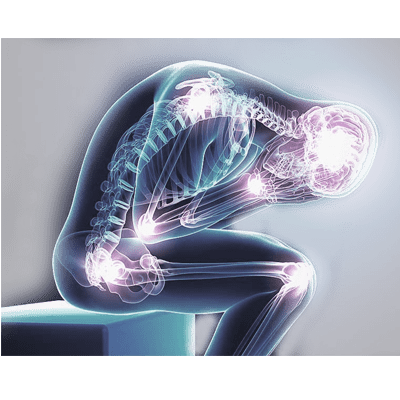
Neuropathic torment can occur if your sensory system is harmed or not working accurately. You can feel torment from any of the different levels of the sensory system—the fringe nerves, the spinal rope and the cerebrum. Together, the spinal string and the cerebrum are known as the focal sensory system.
Harmed nerve filaments convey some unacceptable messages to torment focuses. Nerve capacity might change at the site of the nerve harm, just as regions in the focal
Neuropathic pain can be caused by diseases, including:
- Alcoholism.
- Diabetes.
- Facial nerve problems.
- HIV infection or AIDS.
- Central nervous system disorders (stroke, Parkinson’s Disease, multiple sclerosis, etc.)
- Complex regional pain syndrome.
- Shingles. (Pain that continues after your bout with shingles ends is called postherpetic neuralgia.)
How is Neuropathic Pain Treated?
The goals of treatment are to:
- Treat the underlying disease.
- Provide pain relief.
- Maintain functionality.
- Improve the quality of life.
Consult with our Best Neurologists in
Frequently Asked Questions
Answers to Your Neurology Queries
The best treatment depends on the cause and may include medications, physical therapy, lifestyle changes, and treatment of the underlying condition to reduce nerve pain and improve daily function.
Neuropathic pain is caused by damage or dysfunction of the nerves. Common causes include diabetes, injuries, infections, stroke, and certain neurological disorders.
Common examples include diabetic neuropathy, post-herpetic neuralgia, trigeminal neuralgia, sciatica, and nerve pain after injury or surgery.
The three most common causes are diabetes, vitamin deficiencies (especially Vitamin B12), and nerve injuries.
Early signs include numbness, tingling, burning sensations, muscle weakness, and reduced sensation in the hands or feet.