( D.M in Neurology)
Know Your Doctor
Dr. Shantanu Shubham is the best neurologists in Purnia, with sharp clinical acumen to deal with complex neurological disorders. Being trained at a top medical institute in India. After practicing for more than 5 years in Darbhanga and Kolkata, he is serving as a neurologist in the Purnea neuro clinic. All these diseases have been treated here by Dr. Shantanu Shubham. Alzheimer (Dementia), Parkinsons, Epilepsy, Headache/Migraine (Stroke), Back Pain, Seizures, Spine Specialist, Paralysis, etc.
Our Neurology Treatments & Services
Neurological Disorders We Treat

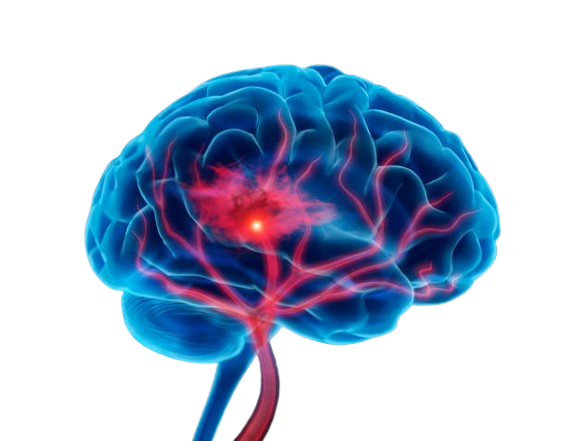
Stroke Treatment in Purnea

Epilepsy & Seizure Disorder Treatment

Migraine & Chronic Headache Treatment

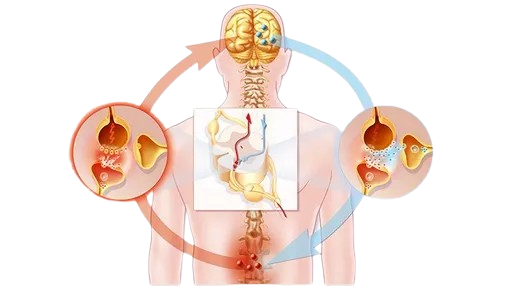
Neuropathic Pain Management

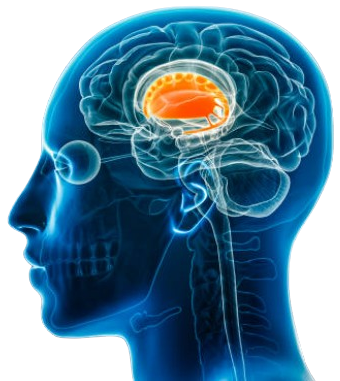
Parkinson’s Disease Treatment

Alzheimer’s Disease & Memory Disorders

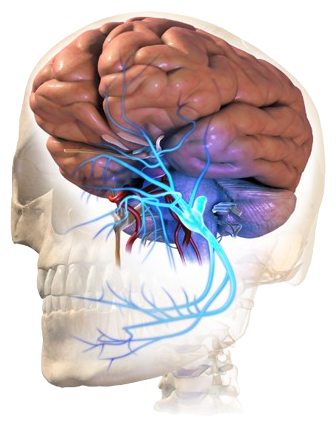
Trigeminal Neuralgia Treatment

Low Backache & Radiculopathy Treatment
Advanced Diagnostic Tests & Procedures
Why Choose Purnea Neuro Clinic?
Doctor Name / Qualification
Dr. Shantanu Shubham (D.M in Neurology)
Years of Experience
6 + Years
Areas of Expertise
Dementia, Alzheimer, Parkinsons, Epilepsy, Spine, Paralysis, Headache, and Stroke.
Professional Affiliations
Certified HealthPlix Digital Practitioner, participated in presenting E-poster
Neurology Health Articles & Patient Guides
Stay informed with expert-written neurology articles designed to help patients understand symptoms, treatments, and preventive care.
Our Clinic & Facilities
Book an Appointment with a Neurologist in Purnea
If you or your loved ones are experiencing neurological symptoms such as headaches, seizures, memory loss, nerve pain, or movement disorders, consult an expert neurologist today.
Phone Number
+91 99057 90259
Clinic Address
Saloni nursing home near IDBI BANK NH31 , Purnia Bihar
Frequently Asked Questions
Answers to Your Neurology Queries
You should see a neurologist if you have problems related to the brain, nerves, spine, or muscles. Common symptoms include frequent or severe headaches, migraines, dizziness, seizures, or episodes of fainting. You should also consult a neurologist if you experience numbness, tingling, or weakness in the arms or legs, difficulty walking, or chronic neck and back pain related to nerve problems.
Other reasons to see a neurologist include memory loss, confusion, tremors, difficulty speaking or swallowing, vision problems, or uncontrolled movements. Sudden symptoms such as one-sided weakness, facial drooping, or trouble speaking may be signs of a stroke and require immediate medical attention.
If your symptoms are ongoing, worsening, or affecting your daily life, a neurologist can help diagnose the condition and provide the right treatment.

Migraine treatment depends on the frequency and severity of symptoms. It usually includes a combination of lifestyle modifications, medications, and preventive care. Acute migraine attacks are treated with pain-relieving and anti-migraine medicines to reduce headache intensity and associated symptoms like nausea or sensitivity to light.
For patients with frequent or severe migraines, preventive medications may be advised to reduce the number of attacks. Identifying and avoiding triggers such as stress, lack of sleep, dehydration, or certain foods also plays an important role. In some cases, advanced treatments and personalized therapy plans are recommended based on the patient’s condition.
A neurologist evaluates each patient individually to provide the most effective and long-term migraine management.
During your first visit, the doctor will take time to understand your medical history, current symptoms, and any previous reports or treatments. You may be asked about the duration, severity, and pattern of your symptoms to help identify the root cause of the problem.
A detailed clinical examination will be performed, and if required, diagnostic tests such as blood tests, imaging, or other evaluations may be recommended. Based on the findings, the doctor will explain the diagnosis, discuss treatment options, and create a personalized care plan tailored to your condition.
The goal of the first visit is to provide clarity, answer your questions, and ensure you feel comfortable and confident about the next steps in your treatment.