

Nerve Conduction Velocity
What Is a Nerve Conduction Velocity (NCV) Test?
A Nerve Conduction Velocity (NCV) test — likewise called a nerve conduction study (NCS) — gauges how quick an electrical motivation travels through your nerve. NCV can recognize nerve harm.
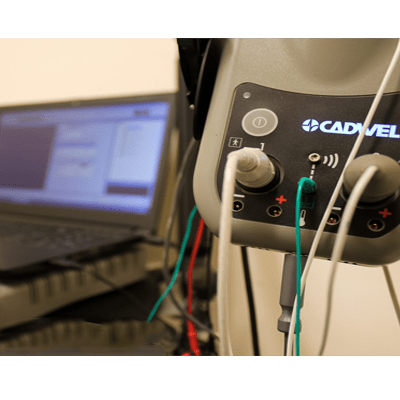
A delineation of a nerve conduction speed test During the test, your nerve is invigorated, typically with anode patches appended to your skin. Two terminals are set on the skin over your nerve. One terminal animates your nerve with an exceptionally gentle electrical motivation.
Consult our Best Neurologist in Purnia, Bihar
Book An Appointment
Frequently Asked Questions
Answers to Your Neurology Queries
An NCV test may cause mild discomfort or a brief tingling sensation when small electrical impulses are applied. Most people tolerate the test well, and the sensation usually stops quickly.
During an NCV test, small electrodes are placed on the skin over specific nerves. A mild electrical impulse stimulates the nerve, and the equipment measures how quickly and strongly the nerve signal travels.
An abnormal NCV result may indicate a problem with nerve function, such as nerve damage, compression, or neuropathy. Your doctor will interpret the result along with your symptoms and medical history.
Normal NCV values can vary depending on the nerve tested, age, body temperature, and testing conditions. A neurologist compares your results with appropriate reference ranges to determine whether nerve conduction is normal.
Poor nerve conduction may cause symptoms such as numbness, tingling, burning sensations, weakness, reduced sensation, or pain in the affected area.